Should You Use a Variable Frequency Drive?
So you've got a motor. Does it make sense to control it with a VFD? It depends what you're using it for. Here is how to tell whether you need a VFD.


So you've got a motor. Does it make sense to control it with a VFD? It depends what you're using it for. Here is how to tell whether you need a VFD.
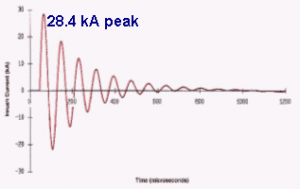
Variable frequency drives control electric motors precisely and can also save energy. A lesser-known benfefit: They also limit destructive inrush current.
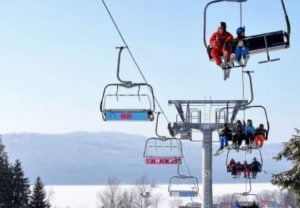
Ski lift & snowmaking pump motors are usually run by variable frequency drives. But drives damage motor bearings, if they aren't protected with AEGIS Rings.
AEGIS rings allow conveyor motor users to get the benefits of inverter control, without the risk of premature bearing failure.
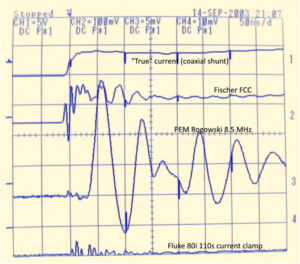
VFDs cause destructive motor shaft currents, or bearing currents. Why is this current so hard to measure, and what's the best way to do it?
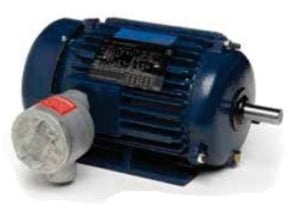
Explosion proof motors on variable frequency drives need bearing protection. Only AEGIS rings satisfy UL & ATEX Directives for hazardous locations.
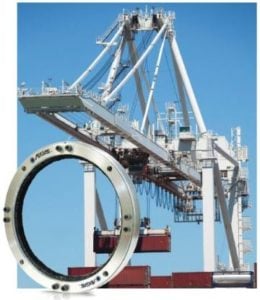
This is the story of a port crane owner using large dc motors on drives, whose bearings were failing every month or two. The solution? AEGIS PRO Rings.
A washdown motor must be two things: Cleanable and reliable. If it is run by a VFD, it will be more reliable if it has an AEGIS shaft grounding ring inside.
World Motors are for severe duty. World Inverter Duty™ motors, for use with VFDs, are even tougher with AEGIS shaft grounding rings installed inside.