

Auteur/autrice : AEGIS
Maximizing Performance with AEGIS® PRO Series
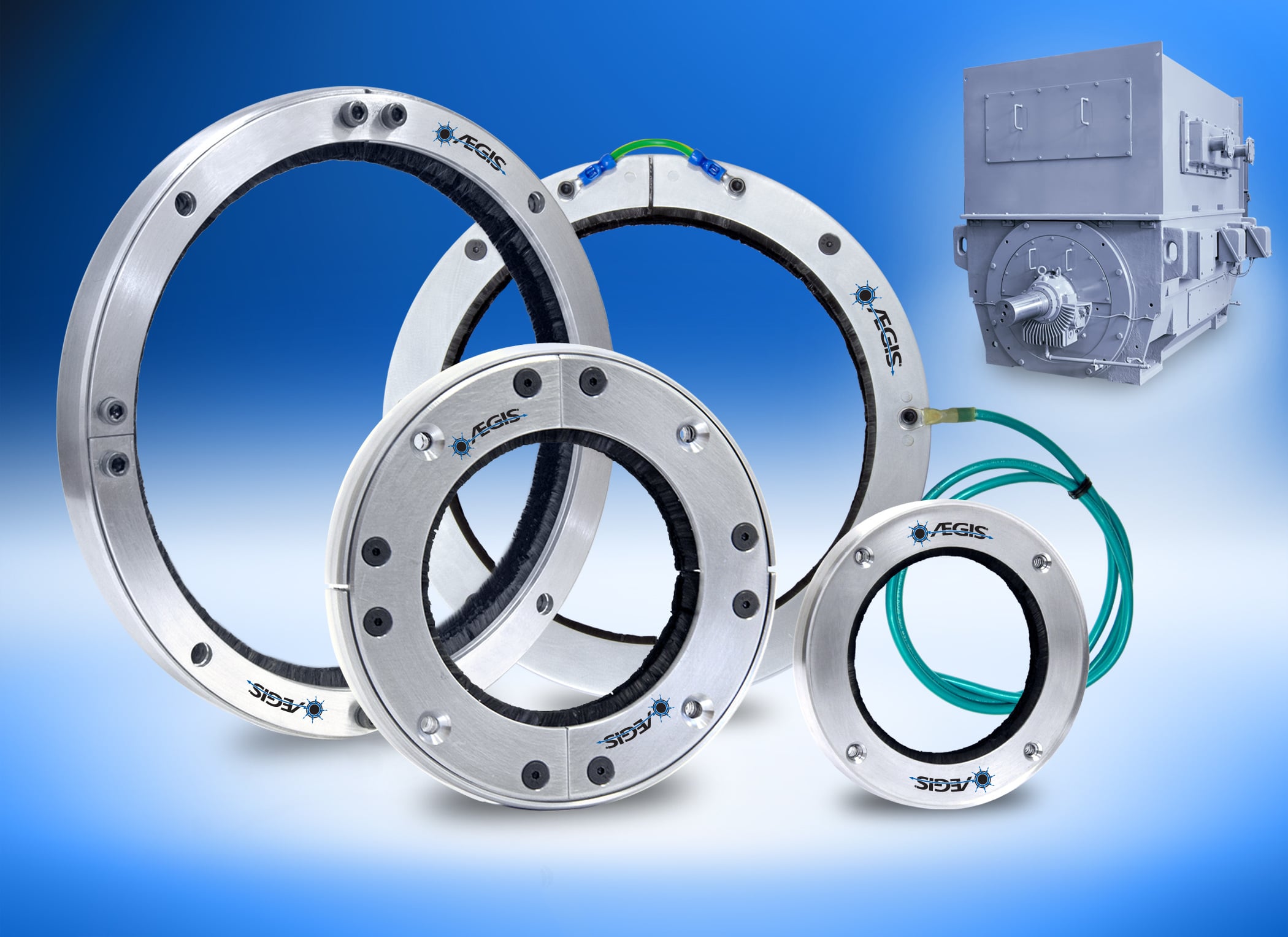
Bearing protection plays a crucial role in the longevity of electric motors, generators, and turbines. One innovative solution is the AEGIS® PRO Series Shaft Grounding Ring. These rings safely discharge harmful shaft voltage in large-frame/low- and medium-voltage electric motors, generators, and turbines.
Understanding the Problem: Shaft Voltage and Bearing Damage
 Electric motors operated by variable frequency drives (VFDs) are prone to developing shaft voltage. This voltage can discharge through the bearings, creating microscopic pits on the bearing surfaces. Over time, this pitting can cause bearing fluting and premature failure, incurring repair costs and even more expensive unplanned downtime. Some form of electrical bearing protection is necessary.
The Role of AEGIS® PRO Rings
AEGIS® PRO Shaft Grounding Rings effectively solve this problem. They protect the motor bearings from electrical bearing damage by offering an alternate low-impedance path for shaft voltage to safely discharge to the ground.
Key features of the AEGIS® PRO Series include:
- Comprehensive Coverage: Unlike other products that offer partial shaft coverage, AEGIS® grounding rings provide complete 360-degree protection.
- High Current Capacity: Made with six circumferential rows of conductive microfibers, these rings withstand the high shaft current that VFDs produce in large motors.
- Wide Range of Sizes: AEGIS(R) PRO Rings can be fit to shaft sizes from 2.5” (63.5 mm) to well over 30” (762 mm). Larger shafts can be accommodated by “segmenting” the PRO rings, as is often done in wind turbine generators.
- American-Made Quality: All AEGIS(R) rings are proudly manufactured in Mechanic Falls, Maine, in compliance with ISO-9001.
Manufacturing & Industrial Settings
AEGIS® PRO Rings are used wherever large motors are controlled by VFDs. Common areas of application include:
Why Choose AEGIS® PRO Rings
Maximizing performance and ensuring the longevity of your electric motors, generators, and turbines is crucial for operational efficiency. The AEGIS® PRO Ring offers a robust solution to mitigate electrical bearing damage, reduce maintenance costs, and enhance system reliability.
If you want to learn more about how AEGIS® PRO Rings can protect your equipment and improve performance, please contact us. Our team is ready to provide you with all the information and support you need to make an informed decision.
One advantage of AEGIS Shaft Grounding Rings is their 2-year extended warranty against bearing fluting damage. No other form of shaft grounding offers a warranty like this.
To learn more about AEGIS shaft grounding and best practices for electrical bearing protection, sign up for a training. We offer monthly live training webinars, and we can also visit your facility to review your exact application.
EMI/RFI and EMC: Understanding Electromagnetic Compatibility
Electromagnetic interference (EMI/RFI and electromagnetic compatibility (EMC) are crucial concepts in electrical and electronic systems. Their importance cannot be overstated when proper operation of everything from your smartphone to your TV depends on acceptably low levels of electromagnetic interference. In this post, we will talk about EMI/RFI, EMC, how they are related, and how they can be managed.
Understanding Electromagnetic Interference (EMI/RFI)
 EMI is electromagnetic noise emitted by one circuit or device that can interfere with another circuit or device’s functionality. When this noise is in the radio frequency band, it is called RFI. The effects of EMI/RFI can range from minor annoyances like static on a radio to critical system failures.
There are two types of EMI:
- Conducted EMI: Where the interference travels as electric current through conductors (power or signal lines, ground wires, etc.)
- Radiated EMI: Where the interference travels as electromagnetic fields
Disruptions due to EMI come in various forms, such as data corruption, audio distortions, or even complete device failure.
What is Electromagnetic Compatibility (EMC)?
EMC refers to the ability of electrical/electronic equipment to function in the presence of EMI/RFI, without itself emitting unacceptable amounts of EMI/RFI. In simple terms, it’s about ensuring that electronic devices play well with each other.
EMC encompasses two main aspects:
- Immunity: The device’s ability to perform as intended in the presence of electromagnetic disturbances
- Emission: The release of electromagnetic energy, intentional or otherwise, by a device
The goal of achieving EMC is twofold: prevent devices from emitting excessive EMI and ensure they have sufficient immunity to operate in the presence of normal levels of EMI.
The Battle Against EMI/RFI: Why EMC Matters
In an age where electronic technology touches every aspect of our lives, ensuring electromagnetic compatibility is critical. Without proper attention to EMC during development, our devices could malfunction when we least expect them to. These malfunctions can be more than an inconvenience – they pose significant safety risks in critical applications like healthcare equipment and automotive electronics.
Regulatory standards globally mandate adherence to strict EMC guidelines. Non-compliance risks not only malfunction but could lead to legal repercussions and damage to the manufacturer’s reputation.
Example: AEGIS® Shaft Grounding Rings in Electric Vehicles
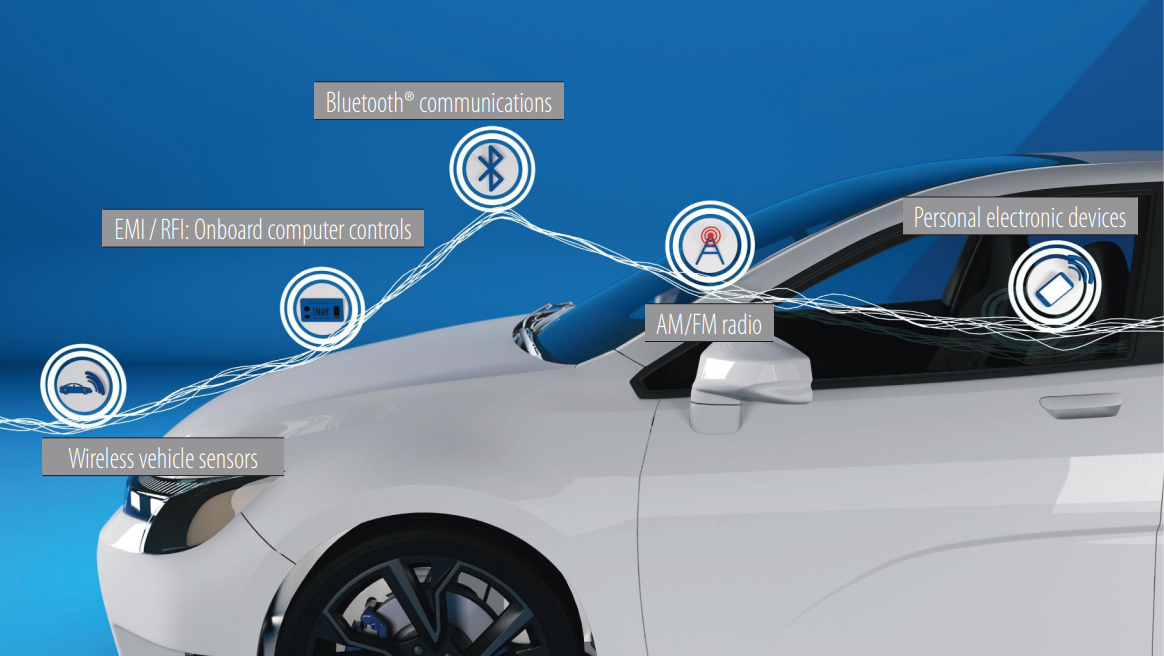 A prime example of innovation to enhance EMC involves addressing one specific source of EMI/RFI in electric vehicles: electric motors operated by variable frequency drives. These motors are susceptible to shaft voltage that both damages the bearings and emits disruptive EMI/RFI.
Here’s where AEGIS® Shaft Grounding Rings come into play. AEGIS EV Rings are shaft grounding rings specially designed for automotive applications. By dissipating the shaft voltage, these rings prevent bearing damage due to electrical discharge and significantly reduce EMI/RFI emission from the motor.
Navigating EMC Compliance: Best Practices
Achieving EMC requires careful planning and consideration throughout a product’s design phase. Here are some best practices:
- Integrated Design Approach: Incorporate EMC considerations early into product design.
- Shielding and Filtering: Use shielding techniques for cables and enclosures, and filters on power supply lines to reduce radiated emissions.
- Proper Grounding/Bonding: Ensure grounding and bonding best practices are followed to reduce conducted emissions.
- Regular Testing: Perform pre-compliance testing throughout the development stages.
For the EV industry, considering shaft grounding solutions like the AEGIS EV Ring is crucial for addressing VFD-induced shaft voltage – a vital step toward ensuring system-wide EMC.
One advantage of AEGIS Shaft Grounding Rings is their 2-year extended warranty against bearing fluting damage. No other form of shaft grounding offers a warranty like this.
To learn more about AEGIS shaft grounding and best practices for electrical bearing protection, sign up for a training. We offer monthly live training webinars, and we can also visit your facility to review your exact application.
Electrical Bearing Protection in Pulp and Paper Mills
 The pulp and paper industry is a vital sector of the global economy and produces essential materials for everyday use. As in most other manufacturing sectors, rotating machinery – electric motors, pumps, conveyors, and more specialized equipment – plays an enormous role. This machinery’s rotation is made possible by bearings, which provide a low-friction interface between the rotating and stationary mechanical components. If a machine bearing fails, then so does the machine. A bearing failure in a critical machine can halt an entire production line. The costs of this unplanned downtime are enormous, often in hundreds of thousands of dollars per hour.
Bearings are prone to damage from various sources. In this blog post, we will look specifically at electrical bearing damage in pulp and paper mills and how it can be mitigated.
Causes of Electrical Bearing Damage in Paper Mills
Variable Frequency Drives
The most common cause of electrical bearing damage to rotating equipment is variable frequency drives (VFDs). While VFDs allow precise control of motors and the processing equipment they drive and allow large energy savings in variable speed/torque applications, the power they put out can damage motors. Particularly, because VFD output voltage is not balanced, it produces a voltage on the rotor (across the bearings). If this voltage gets large enough, it will discharge through the bearings of the motor or driven equipment. This discharge, which can occur thousands of times per second, roughens the smooth surfaces of the bearing and degrades the bearing grease. This damage accumulates over time and can shorten a bearing’s lifetime to just a few months.
VFDs control electric motors at every stage of pulp and paper processing, from hydrolysis, thickening, and pulping to pressing, drying, and calendering. The motors at every step of the process, as well as the pumps and gearboxes that they drive, are at risk.
One effective way to protect the motor and equipment bearings is to ground the motor shafts with AEGIS® Shaft Grounding Rings. Grounding rings dissipate the shaft voltage before it can build up enough to arc through the bearings. This protects the bearings from electrical damage, improves machine reliability, and helps ensure production uptime.
In larger motors, such as in this case study, a circulating type of bearing current also occurs, driven by an end-to-end shaft voltage. In these larger motors, one insulated bearing is necessary to interrupt circulating current, along with a shaft grounding ring for discharge current.
Static Electricity
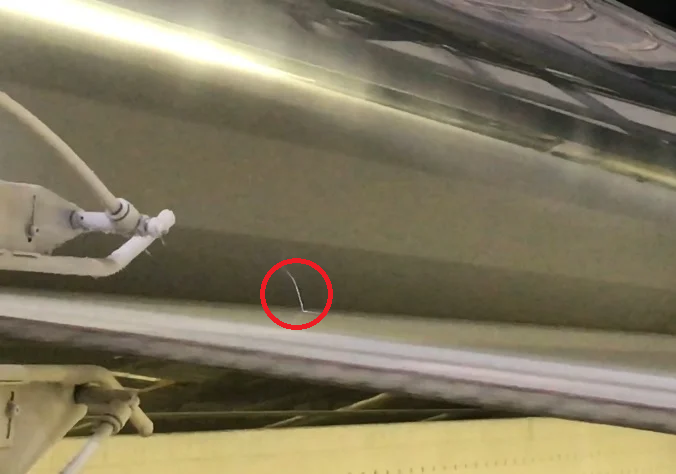
In the later, drier, stages of paper production, static electricity can build up on the rolls. In extreme cases, like in this case study, the static can build up high enough to arc through and damage calender or other bearings. Again, this weakness can be protected with AEGIS shaft grounding.
One advantage of AEGIS Shaft Grounding Rings is their 2-year extended warranty against bearing fluting damage. No other form of shaft grounding offers a warranty like this.
To learn more about AEGIS shaft grounding and best practices for electrical bearing protection, sign up for a training. We offer monthly live training webinars, and we can also visit your facility to review your exact application.
Using Shaft Grounding Systems in Industrial Plants
Industrial plants rely heavily on the seamless operation of electric motors to drive various processes. However, one significant and common issue that plagues these plants is motor bearing damage, often resulting in expensive downtime and maintenance costs. One culprit behind this damage is stray electrical current, which wreaks havoc on the bearings, causing progressive damage and ultimately leading to the need for replacement.
Identifying the Source of Damage
 One common source of stray current threatening motor bearings in industrial plants is the shaft voltage created by variable frequency drives (VFDs). This voltage seeks a way to discharge to ground. Very often, the path of least resistance is through the bearings. But shaft voltage discharge through the bearings, if left unchecked, can lead to premature failure.
The Progression of Bearing Wear
Bearing wear typically progresses through four stages, starting with subtle pitting and progressing to audible noise and visible defects. This gradual deterioration serves as a warning sign, indicating the need for immediate attention to prevent bearing failure and the risk of unplanned downtime.
Safeguarding Motor Bearings with AEGIS® Shaft Grounding Rings
In response to the pressing need to protect motor bearings from harmful discharge current, AEGIS® Shaft Grounding Rings emerge as a reliable and robust solution. These innovative grounding rings act as a defense mechanism for motor bearings, effectively dissipating shaft voltage to levels too low to arc through the bearings, thereby mitigating the risk of premature failure and helping ensure the uninterrupted operation of the motors.
Ensuring Longevity and Reliability
By integrating AEGIS® Shaft Grounding Rings into the motor systems, industrial plants can proactively safeguard their investments in electric motors and guard against the huge expense of unplanned downtime. These grounding rings serve as a shield against electrical damage, preventing costly downtime and maintenance efforts while bolstering the reliability of motor bearings.
A few examples:
- A cement maker added AEGIS® Rings to VFD-controlled fan motors during overhauls after identifying bearing damage due to electrical issues.
- In Wisconsin, a distribution center found a solution in these rings after facing persistent bearing failures caused by shaft voltage.
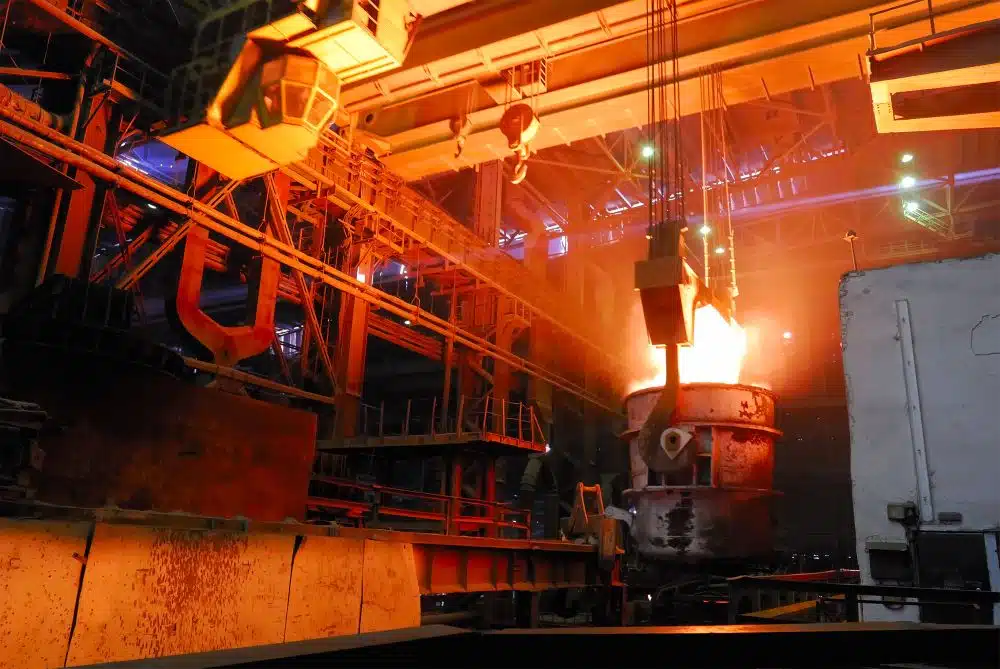
- Steel mills rely on them to ensure the long-term operation of VFD-driven motors by diverting damaging current safely away.
Conclusion
The use of shaft grounding systems, particularly AEGIS® Shaft Grounding Rings, presents an effective approach to mitigating the detrimental effects of stray current on motor bearings in industrial plants. By implementing this safeguarding measure, plant operators can significantly reduce the risk of downtime and associated maintenance costs, thus ensuring their critical machinery’s uninterrupted and efficient operation. If you have questions, please contact us.
One unique advantage of AEGIS Shaft Grounding Rings is their 2-Year Extended Warranty against bearing fluting damage. No other form of shaft grounding offers a warranty like this.
To learn more about AEGIS shaft grounding and best practices for electrical bearing protection, sign up for a training. We offer monthly live training webinars, and we can also visit your facility to review your exact application.
Shaft Grounding in Marine Applications
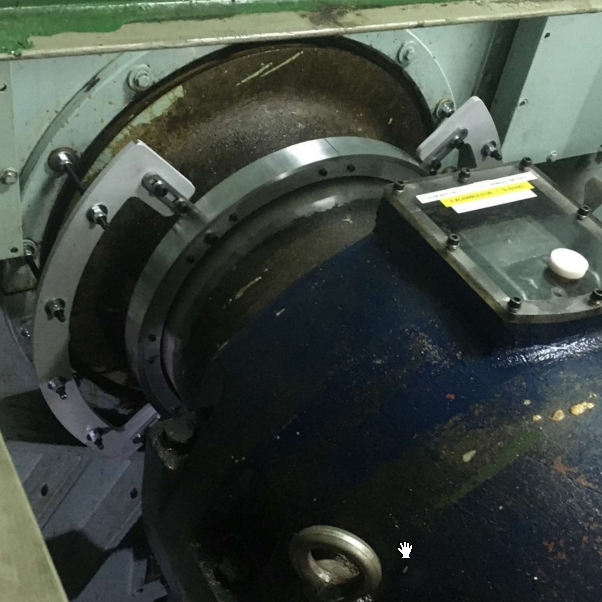 Variable frequency drives are used with electric motors and generators in many systems, from HVAC to propulsion, on hybrid and electric marine vessels. But these drives create a voltage on the shaft of the rotating equipment, which can discharge through the equipment’s bearings or through coupled equipment like gearboxes. For long-term reliability, this equipment requires electrical bearing protection, like AEGIS® Shaft Grounding Rings. This post will look at a few particular drives applications in marine vessels.
Drive Applications in Marine Vessels
Main Powertrain
The shaft generator, along with the main engine, is coupled to the propeller shaft and controlled by a large VFD. Depending on demand, the shaft generator can generate power or act as a motor and provide additional power to the propeller. Because of the drive is subject to high-frequency shaft voltage and should be protected with an AEGIS Shaft Grounding Ring (image above) to prevent discharge through the generator bearings or gearbox. Discharge through the gearbox produces « tiger striping » on the teeth, shown below.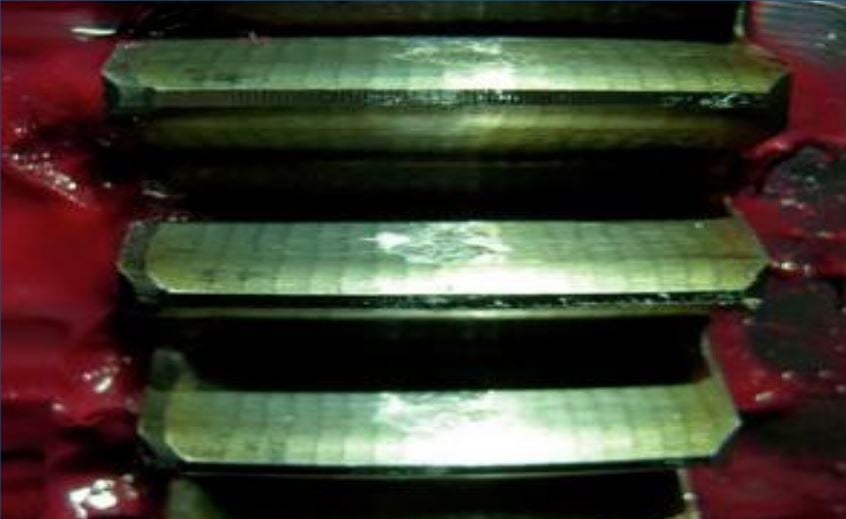
The main propeller shaft should also be grounded with a carbon brush. This connects the propeller to the cathodic protection system and prevents electrochemical corrosion. Carbon brushes are less effective than AEGIS rings at dissipating high-frequency voltage but better at conducting large DC and low-frequency current.
This double-shaft grounding scheme is similar to bearing and gearbox protection in wind turbine generators. Although these systems are very different, they both require AEGIS shaft grounding to remove high-frequency voltage and carbon brush grounding to handle low-frequency/DC voltage.
Thrusters
Both bow thruster and azipodal thruster motors are controlled by VFD and should be equipped with AEGIS rings to discharge high-frequency shaft voltage produced by the drive.
Heat Recovery System
The powertrain’s heat recovery system salvages waste heat from the engine and diesel generators. This system includes pumps and compressors, which are driven by VFD-controlled motors.
Other HVAC
Separate from the heat recovery system, a ship’s HVAC system includes fans, pumps, and compressors, all of which are controlled by VFD. These HVAC motors also require electrical bearing protection against high-frequency shaft voltage.
As well as being designed specifically to protect against high-frequency voltage, another unique advantage of AEGIS shaft grounding is their 2-Year Extended Warranty against bearing fluting damage. No other form of shaft grounding offers a warranty like this.
To learn more about AEGIS shaft grounding and best practices for electrical bearing protection, sign up for a training. We offer monthly live training webinars, and we can also visit your facility to review your exact application.
Cold Weather Applications of Variable Frequency Drives
 We talk a lot in the pages of this blog about different applications that can benefit from controlling electric motors with variable frequency drives (VFDs). From the deepest mines to the stratosphere and beyond, their applications are endless. In this post, we will be looking at three winter/cold weather-specific uses of VFDs.
#1: HVAC
In fairness, heating, ventilation, and air conditioning use VFDs year-round. But heating is a big one in cold weather – literally hundreds of millions of lives depend on reliable heating in the winter. And VFDs can save huge amounts of energy by running motors only as fast as necessary. VFDs can be used to control the motors driving:
- Fans for ventilation, forced hot air, and heat exchangers
- Pumps for circulating heat-exchanging fluids
- Compressors, an integral part of heat pump design (along with fans and circulation pumps)
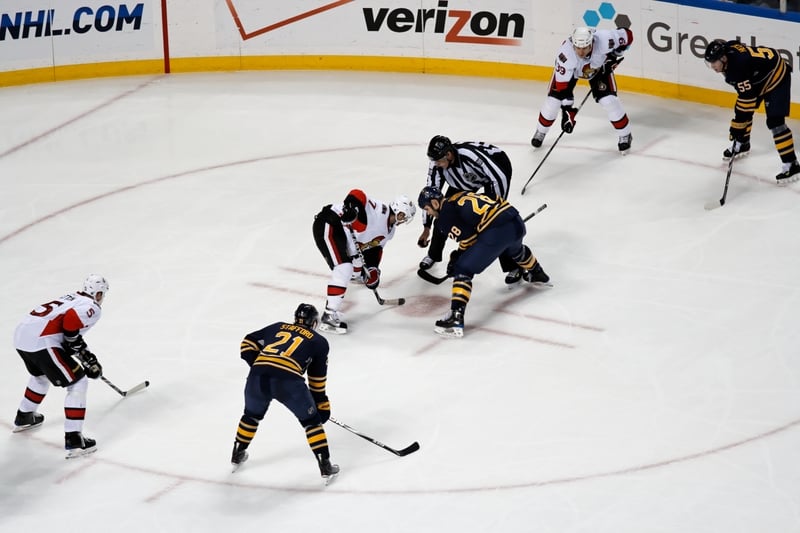
#2: Indoor Skating Rinks
What would winter be without hockey? Just as cold, but a lot drearier.
VFDs can be used to drive the refrigerating systems that maintain the ice. Pumps and compressors can run more efficiently on VFD, leading to big savings.
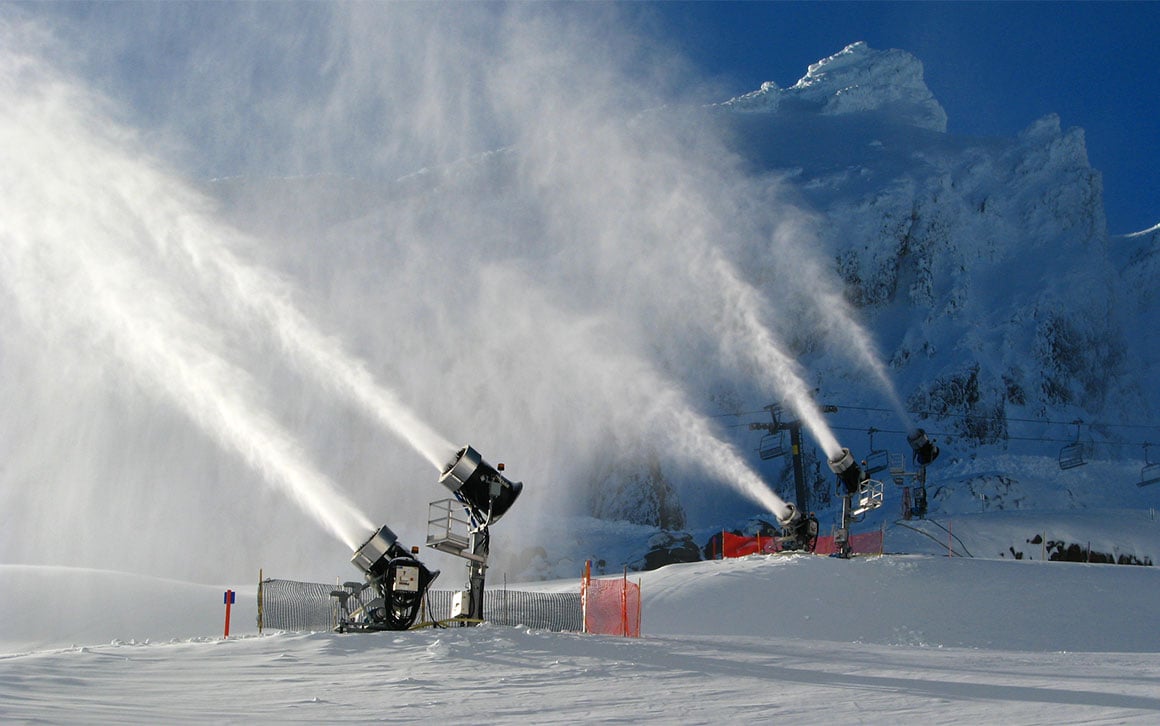
#3: Snowmaking
When natural snowfall is insufficient, ski areas and other outdoor recreational areas supplement it with man-made snow. Snowmaking machines use pumps and compressors to produce winter wonderlands, and as above, these machines can be run more efficiently with VFDs.
These are just a few seasonal applications of variable frequency drives. But regardless of the weather or season, all motors controlled by variable frequency drives should be protected against premature bearing failure with AEGIS® Shaft Grounding Rings. Drives can cause electrical bearing damage to the systems they control, and premature motor failure can easily wipe out all the energy savings they allow.
AEGIS rings come with a 2-Year Extended Warranty against bearing fluting damage. No other form of protection against VFD-caused bearing damage offers a warranty like this.
To learn more about AEGIS shaft grounding and best practices for electrical bearing protection, sign up for a training. We offer monthly live training webinars, and we can also visit your facility to review your exact application.
Variable Frequency Drives in Mining
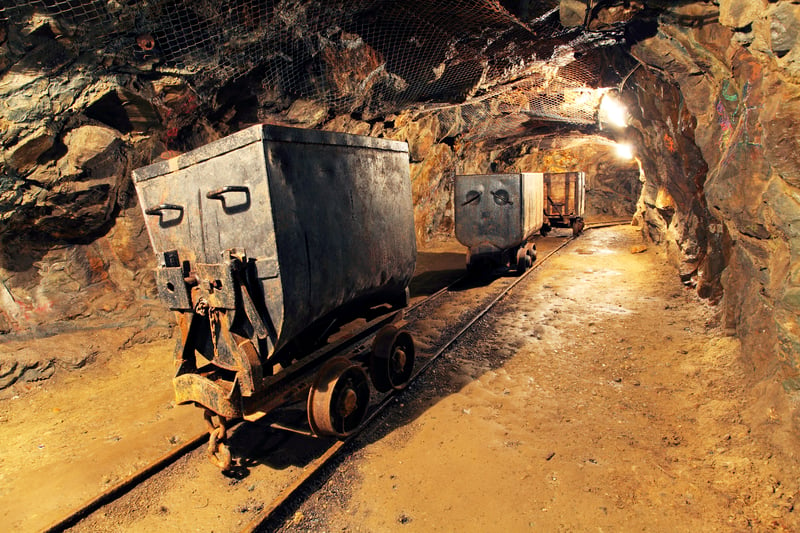 Mining has been vital to civilization since at least the Bronze Age. In today’s electrified world, metals and minerals are more important than ever. The need for mined products is ubiquitous from copper for wiring to phosphates for fertilizer. And valuable – in 2021, the value of the largest 40 mining companies was $925 billion.
How Motors are Used in the Mining Industry
Like every other modern industry, mining operations require electric motors. These motors are often controlled by variable frequency drives for precise control and energy savings. Some specific motor applications and how they benefit from VFD control are:
- Conveyor systems transport ores and other materials. VFDs allow operators to maintain a steady conveyor speed even as the load on the belt changes.
- Crushers and mills crush and grind ore, minerals, and rock. VFDs are used to control the torque of these machines, so the torque is always appropriate to the size of the chunks of material being processed.
- Drilling equipment is used for exploration and tunneling. Variable speed control of drilling motors allows for matching the torque and speed to the properties of the material being drilled through. This, in turn, yields optimal drilling rates and reduced wear on bits.
- Pumps are needed for such processes as dewatering and slurry handling. VFD control of pump motors saves energy by ensuring that the motors run only as fast as necessary for the current demand. Running motors at reduced speed saves significant amounts of energy.
- Fans and ventilation systems are needed to maintain safe and comfortable working conditions in underground mines. As with pumps, VFD control allows motors to drive this equipment only as fast as the current conditions demand. Again, the result is significant energy savings.
- Compressors supply compressed air, vital to mining processes like pneumatic drilling and powering various tools. VFDs regulate the speed of air compressors, ensuring that the compressed air supply matches demand and conserves energy.
All of these advantages notwithstanding, variable frequency drives have disadvantages, too. The pulsed nature of their output power is hard on motor stator windings and can burn them out if the insulation is inadequate. This problem is exacerbated by long cable lengths, which are very common in mining.
Along with stator winding damage, drives can also cause electrical bearing damage. This is also because VFD output voltage comes in pulses, instead of smooth waves like mains power. Mains power is balanced: The average voltage of the three phases, or common mode voltage (CMV), is always zero. The CMV of VFD output is never zero.
Nonzero CMV causes electrical bearing damage by three mechanisms:
- Capacitive shaft voltage discharge: The CMV charges the rotor like a capacitor. This charge on the rotor, called shaft voltage, can discharge by arcing through the bearings, roughening the smooth surfaces, and degrading the grease. This damage is cumulative and is a problem for all motors on drives.
- Inductive high-frequency circulating current: When the CMV changes, current is driven into the motor frame. This current’s motion through the frame induces a current that circulates between the frame and rotor through both bearings. This high-frequency circulating current is problematic in larger motors, over 100 hp (75 kW).
- Rotor ground current: The frame current we mentioned runs back to the VFD through cabling or ground. If there is no low-impedance path to the drive, it may flow through motor and equipment bearings on its way to ground. This rotor ground current happens whenever the motor is not well bonded to the drive, damaging both motor and equipment bearings.
Best Practices for Motor Protection
So-called inverter-duty or inverter-ready motors typically have voltage spike-resistant winding insulation to protect against VFD-sourced winding damage. But most such motors do not include full protection against electrical bearing damage.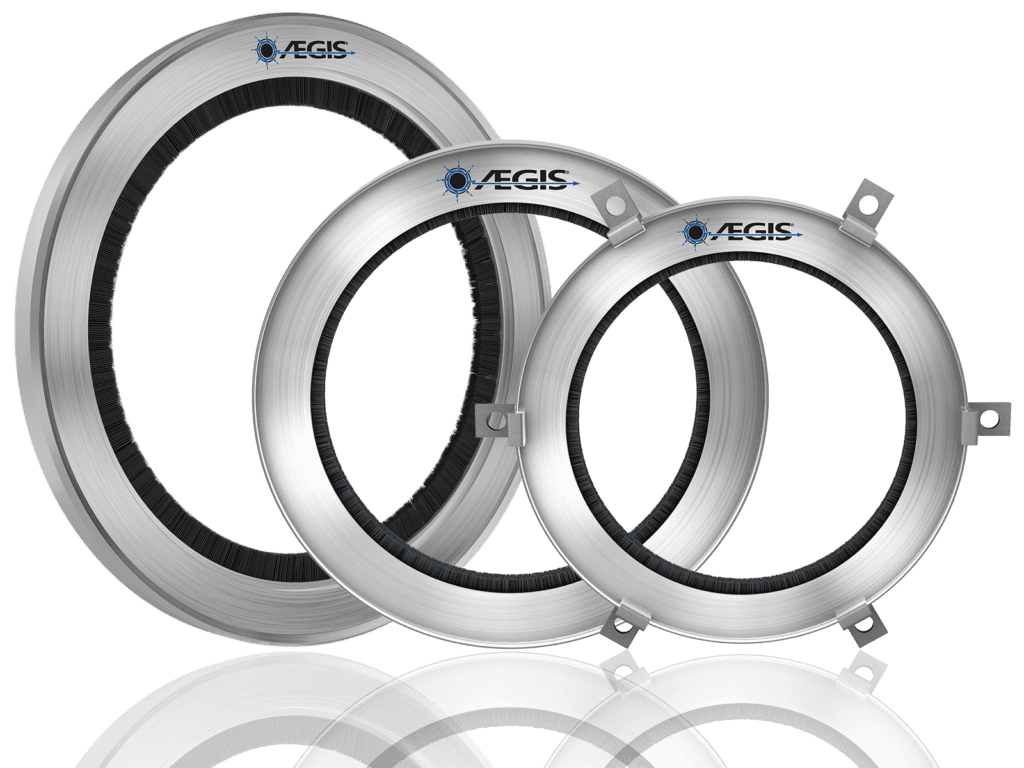
Bearing damage from shaft voltage discharge can be guarded against with reliable shaft grounding, like an AEGIS® Shaft Grounding Ring. All motors on drives should be equipped with shaft grounding.
High-frequency circulating current in motors over 100 hp/75 kW can be interrupted with an insulated or hybrid ceramic bearing. This bearing is typically at the non-drive end of the motor. Whichever bearing is insulated should be at the opposite end of the motor from the shaft grounding ring.
Rotor ground current can be minimized by proper grounding and bonding. One inexpensive form of protection is using a grounding strap, like the AEGIS® HFGS, to bond the motor and equipment frames. This way, frame current would flow through the strap instead of taking a path through the bearings.
Many major motor brands – including Baldor (ABB), US Motors (Nidec), and WEG Electric – have inverter duty lines that come with AEGIS rings standard (and bearing insulation in higher power models). AEGIS rings and insulated bearings are also available as mods for most motors.
AEGIS rings come with a 2-Year Extended Warranty against bearing fluting damage. No other form of protection against VFD-caused bearing damage offers a warranty like this..
To learn more about AEGIS shaft grounding and best practices for electrical bearing protection, sign up for a training. We offer monthly live training webinars, and – pandemic restrictions permitting – we can also visit your facility to review your exact application.
AEGIS Rings’ Resistance Isn’t Everything
We recently wrote about how the static resistance of an AEGIS ring (measured with a multimeter) is higher than the effective resistance when operating on a VFD-controlled motor. But the fact is that neither value is actually important to know.
Installing Colloidal Silver
When an AEGIS ring is installed with colloidal silver on the shaft, the resistance from frame-to-shaft is often under one ohm. Without colloidal silver, it will be higher, perhaps a few ohms. But our engineers have seen installations where fully-functional AEGIS rings’ measured resistance was 30W. The ring was working; the bearings were protected. It’s just that the resistance is not that important.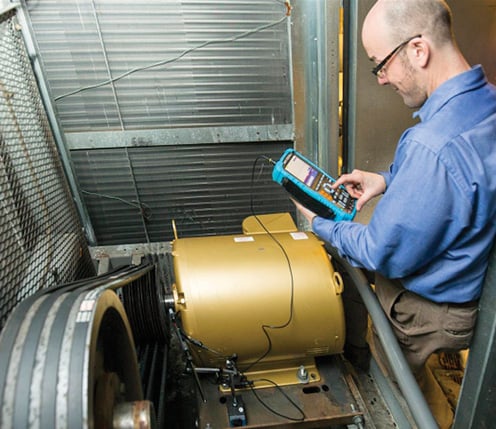
Shaft voltage is what damages motor bearings when it discharges through them. So it’s the shaft voltage that you should measure to check whether the bearings are at risk.
Using an Oscilloscope for VFD-Controlled Motors
For VFD-controlled motors, you need an oscilloscope to do this. Using a scope with 100 MHz bandwidth or more lets you do two things:
First, it lets you check the maximum shaft voltage level. As a rule, shaft voltage less than 5V peak (10V peak-to-peak) is not a risk for motor bearings. You can check shaft voltage amplitude at timescales between 100 ms and 1 ms per division.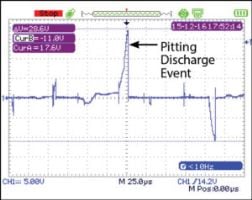
Second, and more importantly, you can check for discharge at smaller timescales. The smoking gun of discharge through the bearing is voltage building up over a few ms, and then suddenly dropping back to baseline (vertical line). If you check the shaft voltage and don’t see any discharges, then the bearings are not being electrically damaged.
The takeaway is there is no harm in measuring the resistance of an AEGIS ring if you really want to, but the resistance doesn’t tell whether the bearings are protected. For that, you need to measure the shaft voltage with an oscilloscope.
AEGIS Rings come with a 2-year extended warranty against bearing fluting damage. No other form of protection against VFD-caused bearing damage offers a warranty like this.
To learn more about AEGIS shaft grounding and best practices for electrical bearing protection, sign up for a training. We offer monthly live training webinars, and – pandemic restrictions permitting – we can also visit your facility to review your exact application.
What are Variable Frequency Drive Applications in HVAC Systems?
For the past few decades, the use of variable frequency drives (VFDs) in the motors of heating, ventilation, and air-conditioning (HVAC) systems has become increasingly common to manage energy consumption. Compared to electric motors that run at a constant speed, VFD-equipped motors offer significant advantages, often consuming 50 percent or less of the energy motors use when run direct on line. The savings become even more apparent for large commercial and industrial facilities, where energy efficiency impacts a business’s bottom line. In simple terms, a VFD controls the rotational speed of an alternating current (AC) electric motor by adjusting the frequency of the current flowing into the motor. To understand what VFDs in HVAC systems do, however, it’s important to look at how they operate within these systems.

What are VFDs in HVAC Systems?
Depending on where in the world a structure is, HVAC systems in built environments normally only operate at peak load for short periods throughout the year. VFDs are often installed in these systems to regulate the running of an HVAC system’s compressors, fans, pumps, and other electrical components to improve a building’s energy efficiency. The VFD will adjust the speed of the motors within the system according to the operational requirements to reduce energy expenditure.
In the US, a report put out in 2013 by the Department of Energy (DOE) reported that HVAC accounted for 93 percent of all energy use by electric motors in commercial settings. VFDs are used to adjust motor speed to curb energy consumption to improve energy efficiency in built environments.
Advantages of VFDs in HVAC Systems
When initially introduced for HVAC applications, VFDs tended to increase noise levels, took up substantial space, and were limited by motor power. However, these impediments are no longer factors with recent technological advancements. The primary advantage for larger facilities using VFDs for HVAC applications is their ability to substantially lower energy use. For centrifugal pumps and fans, lowering HVAC motor speed by 25 percent will reduce energy use by about 60 percent. Similarly, when the motor driving the pump or fan is reduced by 50 percent, energy usage drops nearly 90 percent.
Using a VFD in an HVAC system can also extend the lifetimes of the system’s components. With the motor running at less than full speed, VFD-enabled HVAC systems experience less wear and tear over time. Additionally, HVAC motors connected to a VFD aren’t started or stopped as frequently, a function that causes considerable wear, and when they are, they don’t draw high startup current. Instead of starting the motor at full speed, the VFD slowly ramps up the motor speed. This also causes less stress on motor windings and other HVAC parts downstream.
VFDs in HVAC systems also provide greater control over building’s operation. For instance, a tall multistory building often uses booster pump systems to ensure adequate water pressure at every level. With conventional booster pumps, water pressure can’t be maintained precisely. Conversely, booster pump systems controlled by a VFD will be able to maintain precise water pressure while also decreasing the system’s energy requirements. With chiller plants, a VFD will often be able to regulate compressor speed to maintain temperature set points for both water and air supply.
By offering greater control, a VFD allows for more exact adjustments to the speed at which HVAC motors drive compressors, fans, and pumps to alter the airflow throughout the system. This, in turn, improves indoor conditions for occupants, allowing greater control of temperature and air pressure, carbon dioxide, and humidity levels through all levels of a building. While VFDs are used extensively to drive compressors, fans, and pumps, they can also report electrical parameters like the current and power draw, frequency, speed, and torque of the motor. These indicators can then be used for diagnostics and to detect faults, which improves an HVAC system’s reliability and reduces maintenance expenses.
In summary, VFDs offer the following advantages:
- Soft start capabilities that decrease inrush current to reduce the motor’s electrical and mechanical stress while enhancing reliability
- Regulating motor speed in a more fluid manner, without jerks or steps
- Reducing power consumption considerably by supplying only as much power as needed
- Improving the power factor of the motors
- Enabling monitoring systems to improve efficiency and performance further
With all these advantages, it’s no surprise that VFDs in HVAC systems are increasingly being installed. Whether it’s in a new or existing HVAC system, the additional cost of a VFD can see a return on investment within a relatively short time, generally under three years.
For What is VFD in HVAC Specifically Used in Facilities?
HVAC systems in commercial or industrial facilities rarely need to operate under peak load conditions, though they’re designed with this in mind. The system design of commercial and industrial HVAC units ensures that the motor can handle these peak loads. Due to this, HVAC systems that use motors without a VFD will use considerably more energy, particularly for the system’s pumps and fans.
Problems VFDs Cause in HVAC Systems
With energy efficiency becoming a priority throughout the world, VFDs have been touted as a means to easily lower electricity usage in many facilities by allowing motors to run at below full speed. Often, fans and pumps in HVAC systems run constantly, so using a VFD will ensure the motor draws less power when the demand is reduced. Though motor speed can be controlled by a throttling mechanism, this is wasteful, as the excess power put out by the motor is just converted into heat. VFDs are much more efficient. For example, cutting the speed of a fan in half reduces the horsepower needed by a factor of eight.
This means a 100-horsepower motor driving a fan would require just over 12 horsepower when fan speed is halved, resulting in a considerable reduction in energy expenditure. These savings can exceed 30 percent. While this is a boon for facility managers and the companies they work with, VFDs also have drawbacks. When running at any speed, VFDs can produce stray currents that lead to bearing damage that shortens a motor’s life. This can potentially eliminate any savings the VFD provides, as costs for downtime and repair or replacement parts eat into it. For this reason, HVAC systems need protection for their motor bearings.
The Need for Shaft Grounding in HVAC Systems
It’s never been in dispute that VFDs save energy, yet for many years, the premature failure of bearings in VFD-enabled motors often wasn’t correctly diagnosed. After much testing, it was determined that the erosion of VFD-controlled motors’ bearings resulted in electrical damage caused by a combination of fast voltage rise times, high peak voltages, non-sinusoidal voltage and current output, and parasitic capacitance within the motor. As modern motors have sealed motor bearings to prevent contaminants from entering, it is likely that the most common cause of bearing failure in motors on VFD is now electrical bearing damage.
The National Electrical Manufacturers Association (NEMA) promotes standards highlighting this need to provide additional bearing protection for motors equipped with a VFD. There are several ways in which to protect motor bearings. One method is to use ceramic bearings to prevent current from passing through, though these are expensive. This can also result in shifting the electrical damage to the coupled equipment, as stray current still seeks a path to ground. Another method entails insulating the bearings, although this has similar drawbacks to those of ceramic bearings. Insulated bearings also occasionally suffer electrical damage to the uninsulated race.
AEGIS® Shaft Grounding Rings
Using a grounding ring is the best option to protect HVAC motor bearings. The AEGIS® Shaft Grounding Ring, manufactured by Electro Static Technology, is specially designed to channel current from the motor shaft to the frame (and then to ground). Its conductive microfibers provide a lower-resistance path to the ground than the motor bearings. In this way, the motor bearings are protected, and other components connected to the motor are, too. AEGIS rings provide full protection for small motors, 100 hp (75 kW) or less. Larger motors additionally require one insulated bearing at the opposite end from the ring, to interrupt circulating current.
With millions of installations, the AEGIS® ring can be used in air handling units indoors and outdoors, chilled water pumps, chillers, compressors, condensation fans, fan walls, rooftop systems, ventilation fans, and other HVAC applications.
At Electro Static Technology, we are so confident in AEGIS Rings that we offer a 2-year extended warranty against bearing fluting damage. No other form of shaft grounding offers a warranty like this.
To learn more about AEGIS shaft grounding and best practices for electrical bearing protection, sign up for a training. We offer monthly live training webinars, and we can also visit your facility to review your exact application.
What is the Resistance of an AEGIS Ring?
We get a lot of questions about the resistance (ohms) of our AEGIS Shaft Grounding Rings. Fair enough: Our rings work by providing a low-resistance path between the frame and shaft, so stray electric current will flow through the ring instead of through the bearings. It’s natural to wonder how much resistance current feels when it flows through the ring. The answer is typically a few to several ohms*, but there’s much more to the story.
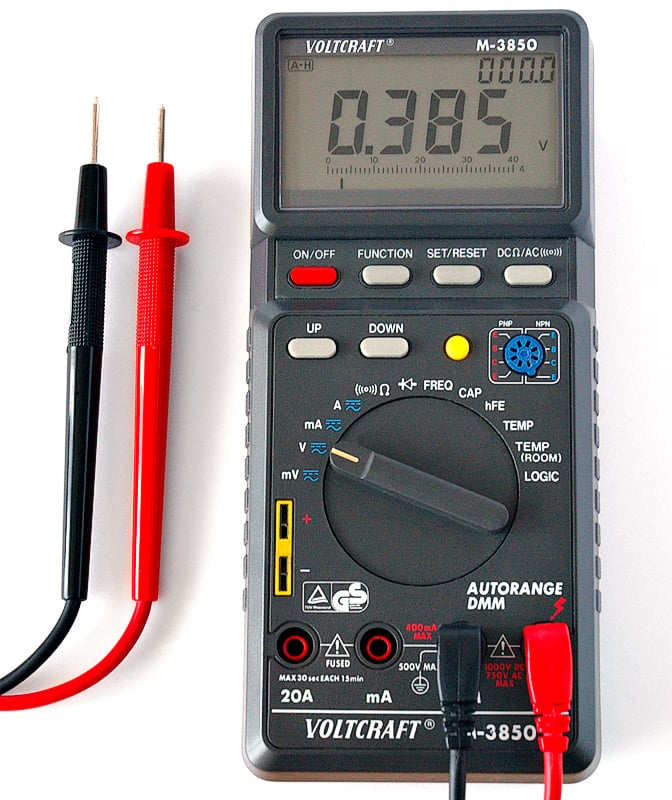
When Ohm’s Law Isn’t Enough: Understanding AEGIS Rings and Effective Resistance
When you use a multimeter or ohmmeter, it uses Ohm’s Law to calculate the resistance. But Ohm’s Law only applies under certain circumstances. One requirement is that all of the current-carrying components must be physically connected.
When a shaft grounding ring is installed on a motor, its fibers contact the shaft. But the fibers vibrate when the motor is running, so as few as one to ten percent of them remain in contact. However, even when the fibers do not physically contact the shaft, they often remain close enough to allow current to flow. At fiber-shaft distances less than five microns, shaft voltage as low as 2V can drive current flow by field emission of electrons. If the field emission current gets intense enough, the air will electrically break down and conduct much better.
The value of the resistance from an ohmmeter does not capture this no-contact conduction. The « effective resistance » of AEGIS rings, including both contact and noncontact paths, is difficult to measure (though it can be done with the setup shown below). The effective resistance is not a constant property of a grounding ring; it depends on the size of the current flowing, its frequency content, and the shaft speed.
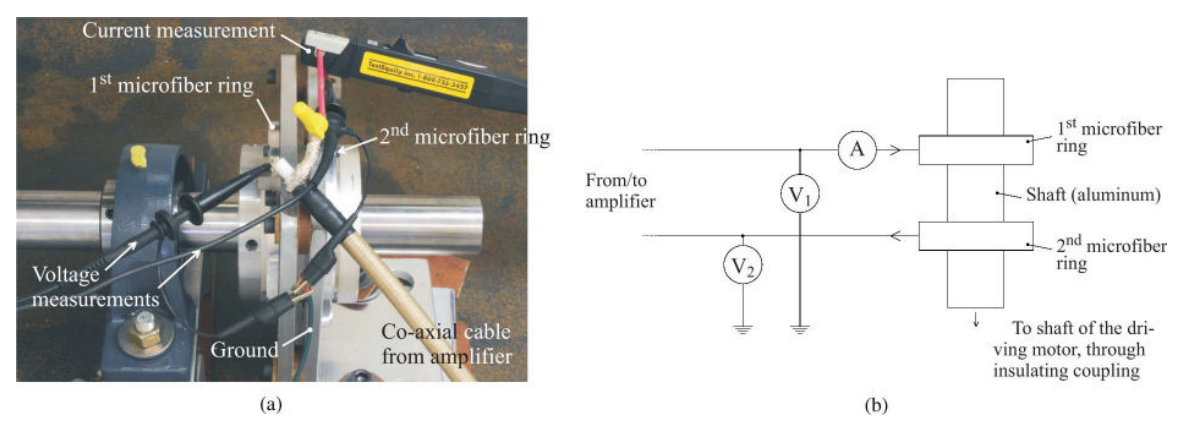
The resistance you would measure with an ohmmeter is significantly higher than the effective resistance when the grounding ring is in operation. The good news is that the measured resistance is an overestimate of – an upper limit to – the actual effective resistance.
But the fact is that you shouldn’t worry about the resistance of an AEGIS ring. There are better ways to check whether a grounding ring is working. In our next post, we will explain why you should test shaft voltage instead of resistance.
AEGIS Rings come with a 2-year extended warranty against bearing fluting damage. No other form of protection against VFD-caused bearing damage offers a warranty like this.
To learn more about AEGIS shaft grounding and best practices for electrical bearing protection, sign up for a training. We offer monthly live training webinars, and – pandemic restrictions permitting – we can also visit your facility to review your exact application.
Note: If you want to measure an AEGIS Ring’s resistance, you can’t just stick one ohmmeter lead in the fibers and one on the metal housing. Because they’re so thin, individual fibers actually have high resistance, hundreds of ohms. But when the ring is mounted on a shaft, there are tens or hundreds of thousands of fibers touching the shaft, so the total resistance is much lower. To measure the resistance, you need to mount the ring on a motor shaft or a metal cylinder that touches fibers all the way around, and then measure between the cylinder and the ring housing.